
Spring Support Manufacturer
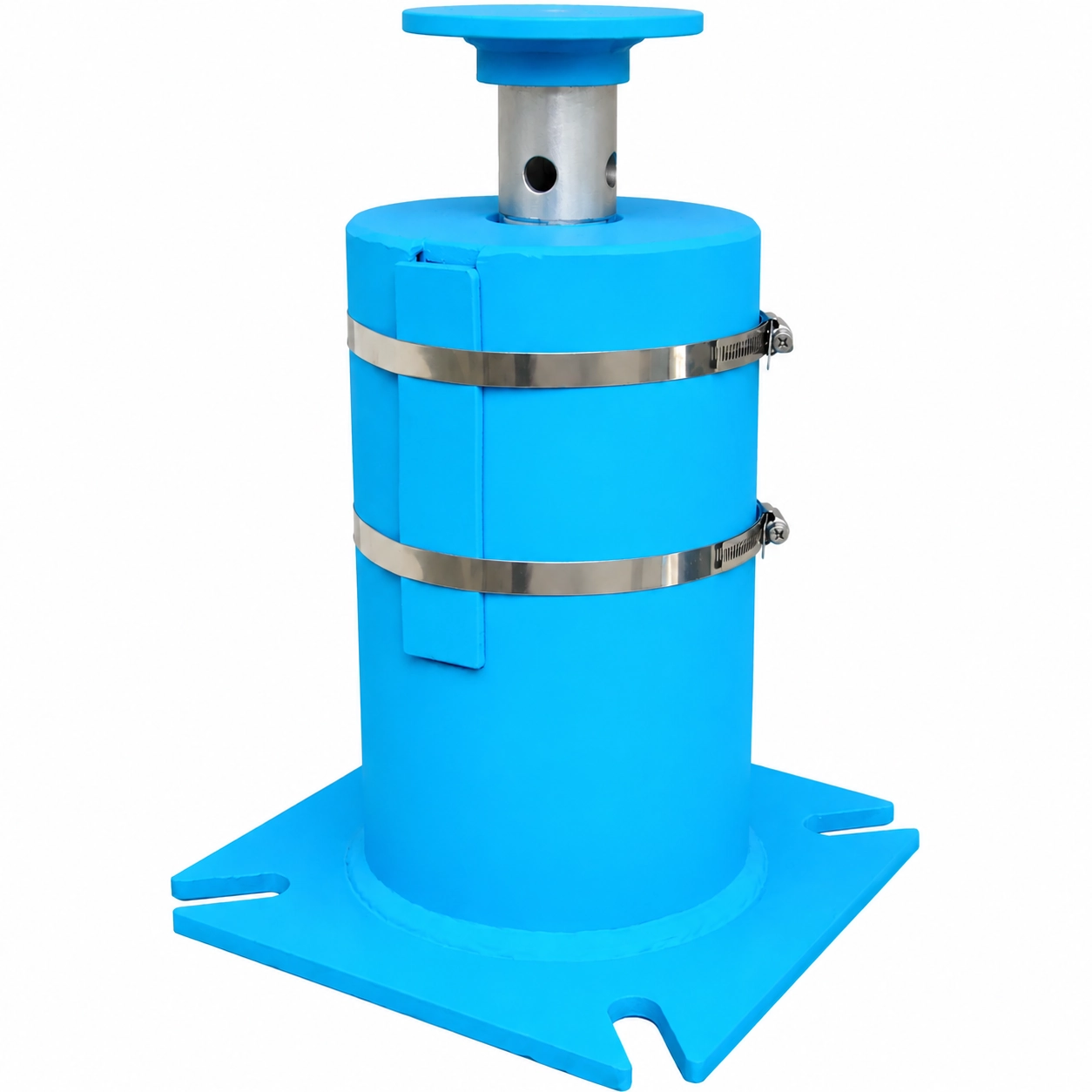
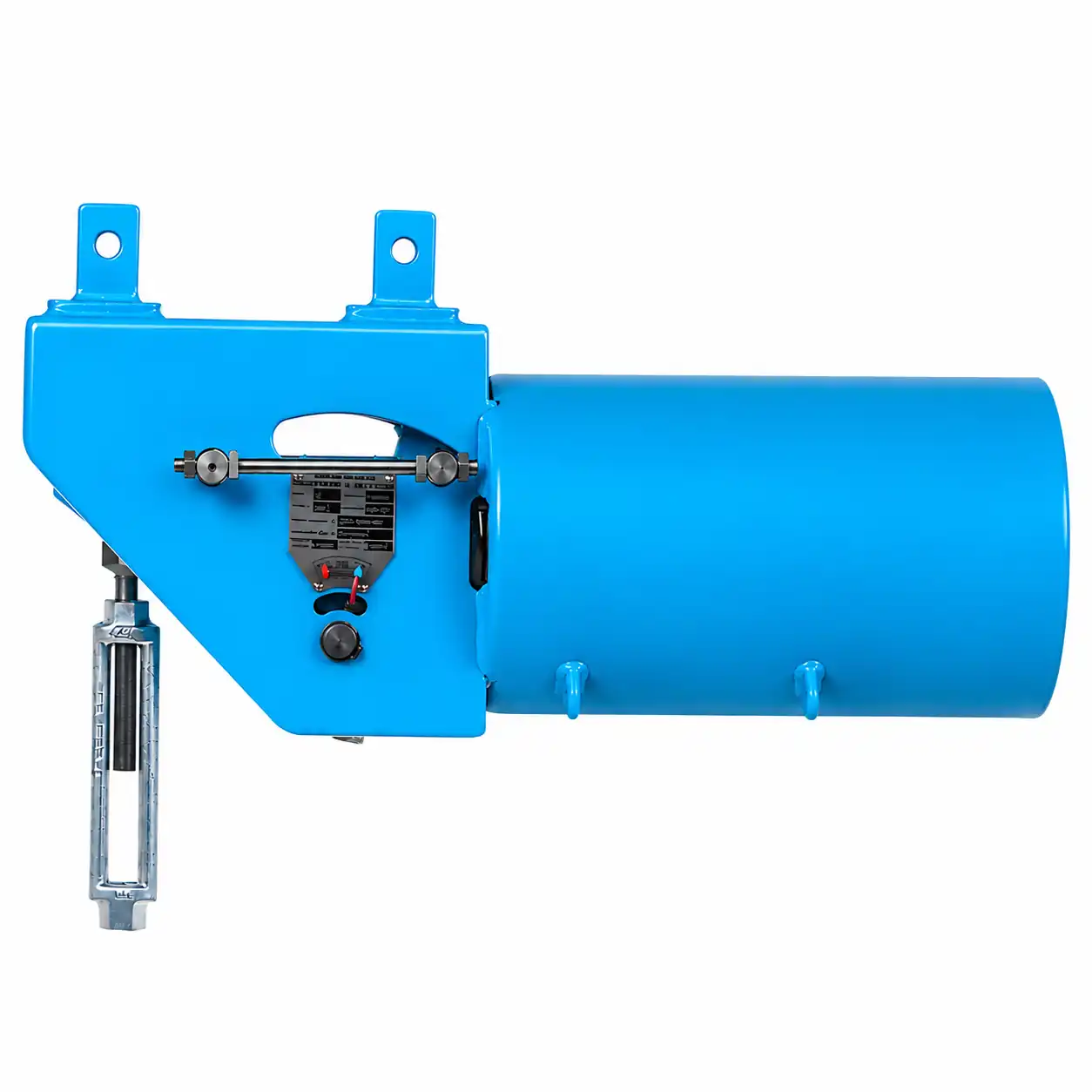
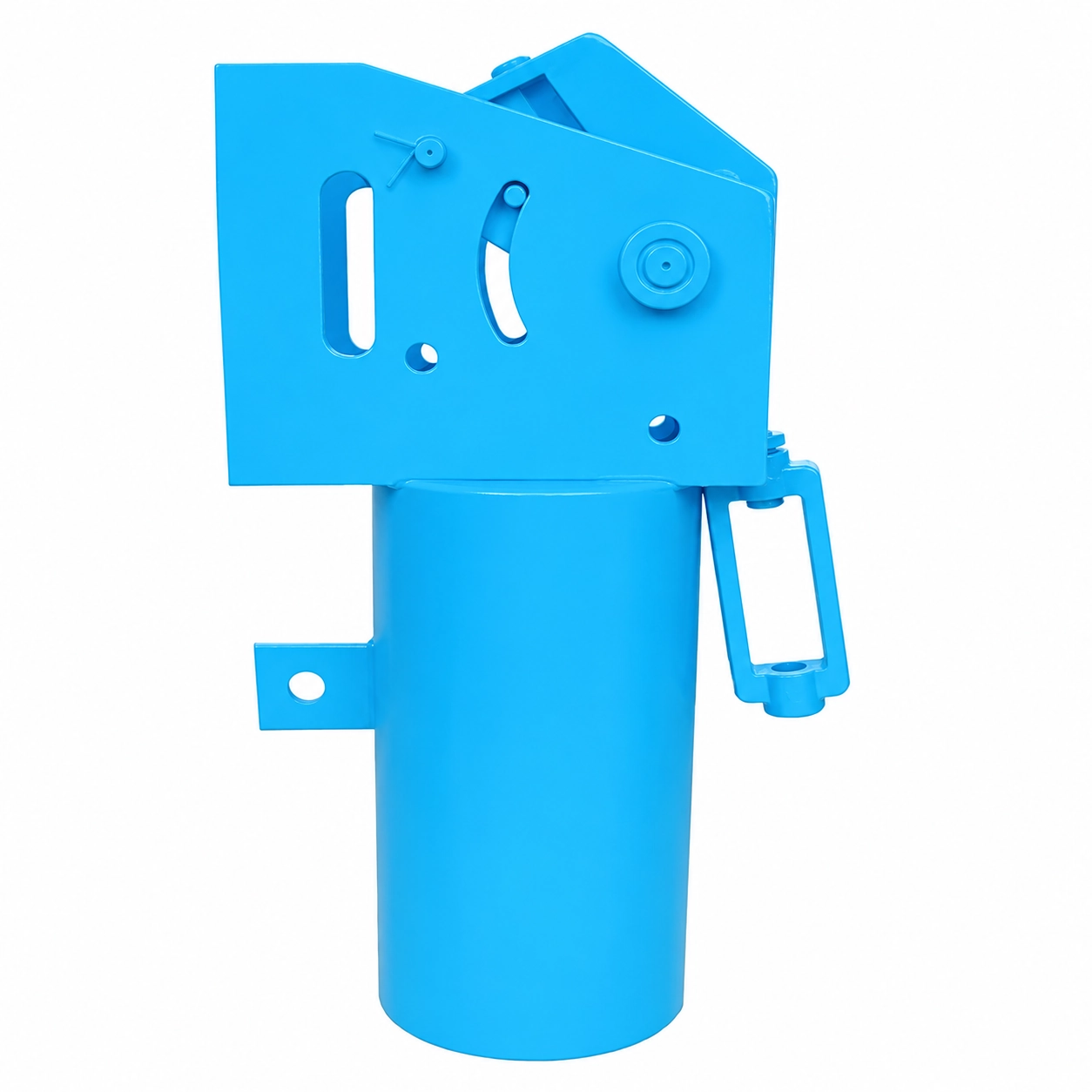
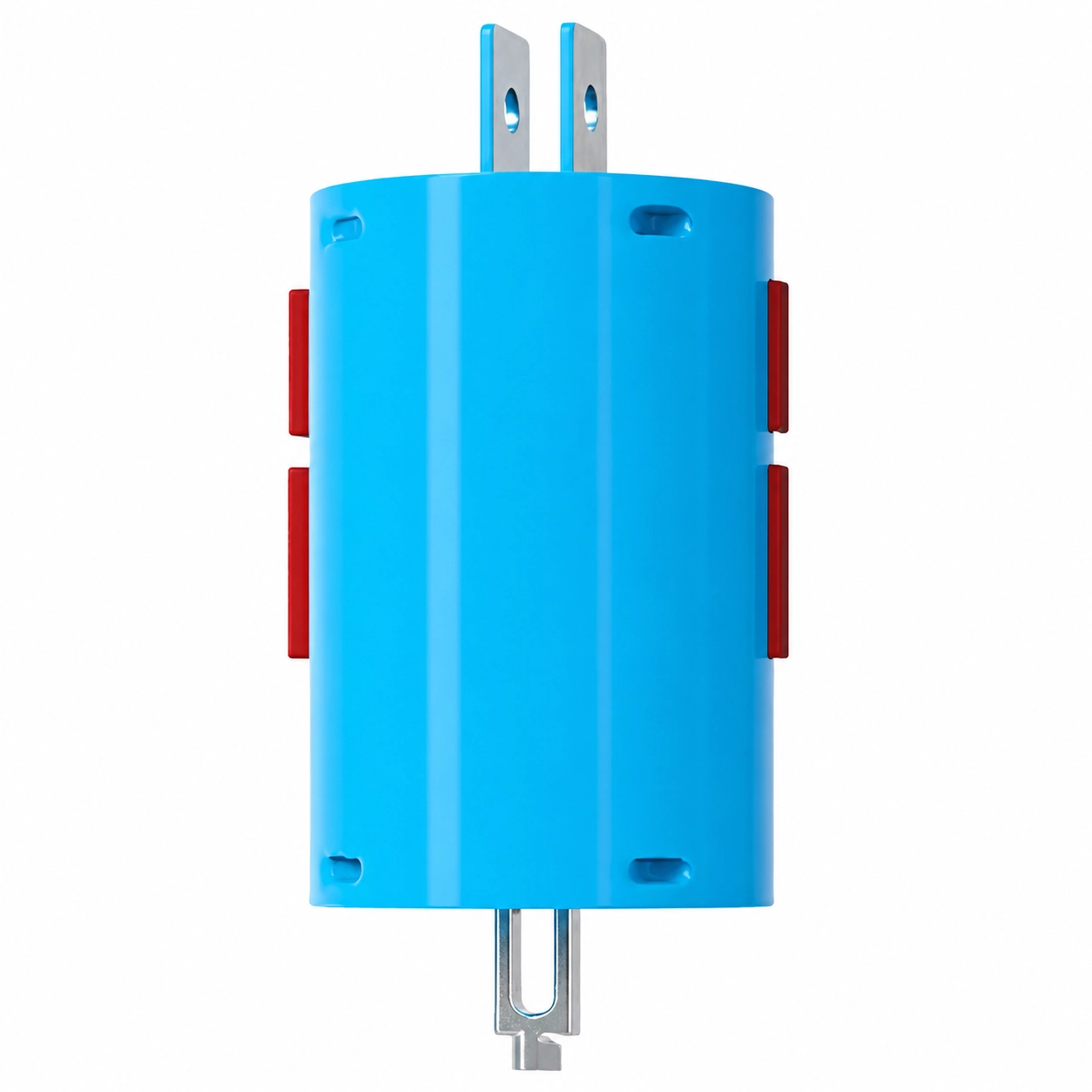
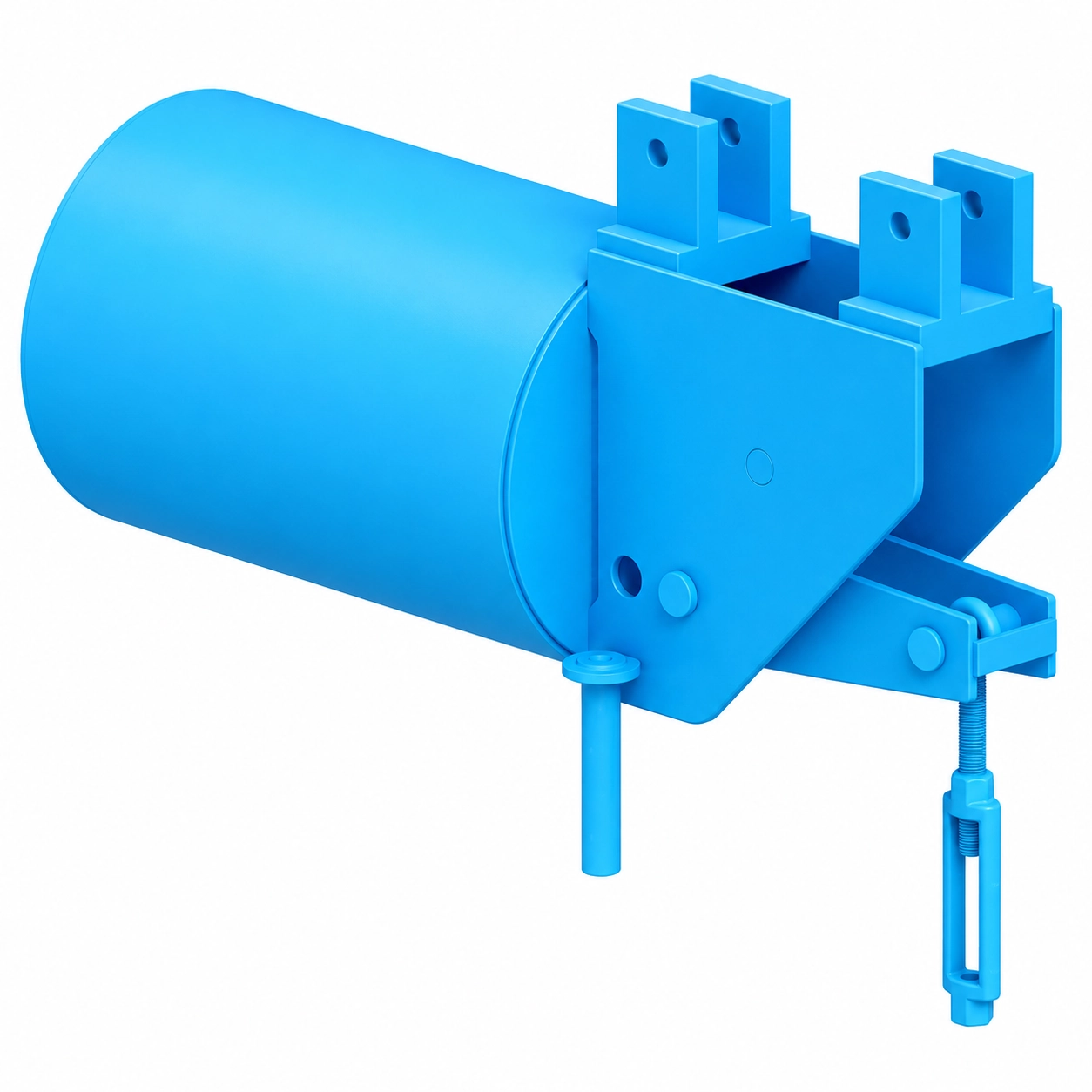
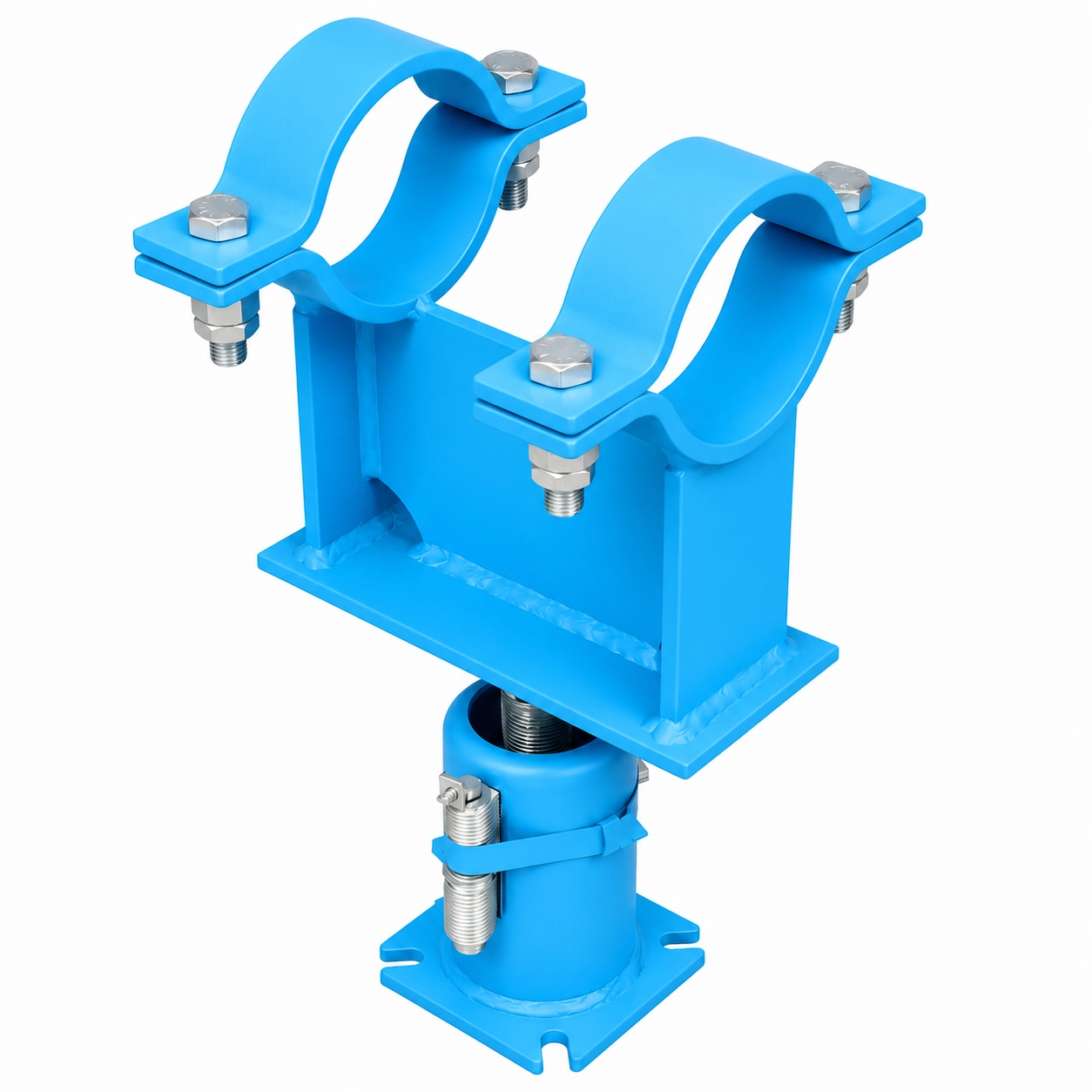
Royal Engineering Corporation is a skilled Spring Support manufacturer with 25 years of experience in manufacturing and supplying high-quality Supports & Hangers in piping for critical industrial applications. As an ISO 9001:2015 certified trusted manufacturing company, our specialization lies in the production of reliable Constant and Variable Supports and related support systems designed to accommodate thermal movement, maintain controlled load distribution and ensure dependable support under changing operating conditions. We serve customers in domestic and international markets with a strong focus on quality, engineering precision and long-term performance.
Type of Spring Supports are manufactured by us
| Types | Specification | Application |
|---|---|---|
| Constant Spring Support |
|
Used for hot piping with significant vertical thermal movement where the supporting force should remain nearly constant. Common in boiler piping, steam lines, power plants, refineries, petrochemical plants, process headers and piping connected to sensitive equipment nozzles. |
| Variable Spring Support |
|
Used where piping requires spring flexibility for thermal expansion or contraction and some variation in supporting force is acceptable. Typical services include hot process lines, steam systems, utility piping, power plants, refineries and chemical-process installations. |
| Spring Hanger |
|
Used for overhead suspension of piping where vertical movement from thermal expansion must be accommodated. Common in boiler areas, steam systems, hot process piping, power stations, refineries and pipe racks. |
| Constant Pipe Support |
|
Used beneath piping where substantial vertical movement occurs and near-constant support force is required. Typical uses include large-diameter process piping, boiler headers, furnace lines, hot headers and critical equipment connections. |
| Variable Pipe Support |
|
Used for piping supported from below where vertical thermal movement exists but variable support force is acceptable. Common in process plants, refineries, petrochemical facilities, power plants and hot utility systems. |
| Rigid Pipe Support |
|
Used where vertical movement is negligible or intentionally restrained. Typical applications include cold piping, selected utility lines, fixed rests, anchors, guides, short runs and structural support points requiring positive restraint. |
| Pipe Hanger |
|
Used for general suspended piping in industrial and building-service installations. Common applications include HVAC piping, water lines, fire-protection systems, compressed-air lines, utility piping, process piping and overhead pipe racks. |
Specifications required for Spring Support manufacturing
Before manufacturing a Spring Support, complete technical information must be established to ensure correct spring selection, load capacity, vertical movement, mounting arrangement and reliable performance throughout the operating cycle. The required specifications are normally provided by the customer. Proper technical data at the beginning of the manufacturing process helps avoid incorrect spring selection, dimensional changes, installation problems and performance issues at a later stage.
Support type : Before manufacturing, the required Spring Hanger or Support type must be confirmed. Depending on the application, the requirement may be for Constant Support, Variable Support or Spring Hanger. Selection depends on operating load, vertical movement, permissible load variation, installation arrangement and the required performance throughout the operating cycle.
Operating load : Operating load defines the load that Pipe Supports must safely carry during normal operation. It may include the supported system weight, insulation, contents and attached components. The manufacturer requires an accurate operating load, normally expressed in kN, to select the appropriate spring capacity and support configuration.
Design load : Design load represents the maximum load considered for engineering the Pipe Hanger & Support. It may include operating loads plus applicable design allowances or additional forces. The specified design load is essential for determining spring capacity, structural dimensions, connection sizes and the required safety margin for the complete support assembly.
Cold load and operating load : For thermally active applications, both cold or installation load and operating load may be required. For example, an installation load of 7.8 kN may increase to 8.2 kN during operation. These values help determine spring characteristics, operating position and expected load variation under actual service conditions.
Vertical travel : Vertical travel defines the expected upward or downward movement of the supported system. It may be specified as 60 mm downward, 40 mm upward or ±30 mm. Accurate travel information is essential for selecting sufficient spring movement capacity and preventing mechanical restrictions during normal operating conditions.
Spring rate : Spring rate defines the change in supporting force for a given spring deflection. It is commonly expressed in N/mm or kN/m. For example, a 500 N load change over 50 mm movement gives a spring rate of 10 N/mm. The required rate should follow approved engineering calculations.
Permissible load variation : For Variable Spring Supports, permissible load variation defines the maximum acceptable change in supporting force during movement. For example, a 5% variation on an 8.0 kN operating load corresponds to approximately 0.4 kN. The actual allowable percentage must be established by the applicable engineering specification.
Operating temperature : Operating temperature indicates the normal temperature at which the supported system functions. For example, an application may operate at 350°C. Temperature data helps evaluate thermal movement, material suitability, clearances and the effect of heat on spring and structural components throughout the required operating range.
Design temperature : Design temperature represents the maximum or minimum temperature considered for engineering. For example, a system with a 350°C operating temperature may have a 450°C design temperature. This value can influence spring material, component material, insulation arrangement, corrosion protection and the overall design of the Spring Support.
Installed position : The installed position defines the physical position of the Pipe Support when the system is initially installed and adjusted. It establishes the reference condition for spring setting and movement measurement. Accurate installation-position data is essential for ensuring that the support starts operation within its specified travel range.
Operating position : Operating position represents the Hanger or Support position when the system reaches its normal operating condition. For example, the support may move from 0 mm at installation to +65 mm during operation. This information is used to determine spring deflection, travel requirements and the correct setting.
Required travel range : Required travel range specifies the total mechanical movement that the Pipe Support must accommodate. If the system requires 60 mm movement, the support may have a greater available travel range where permitted by design. The actual travel allowance should be established through engineering calculations and approved project requirements.
Mounting configuration : Mounting configuration defines how the Support or Pipe Hanger will be installed and connected. Common arrangements include top-mounted, base-mounted, suspended, hanger-type and special configurations. The selected arrangement determines housing dimensions, connection geometry, rod orientation, mounting plates, installation clearances and adjustment provisions required for proper installation.
Connection and rod size : Connection details must be established according to design load and mounting conditions. Rod sizes such as M16, M20, M24 or M30 may be used depending on calculated requirements. Final dimensions must be verified for tensile capacity, material strength, thread section, connection geometry and the applicable engineering standard.
Overall dimensions : Overall dimensions define the physical envelope of the Spring & Pipe Support. Required information may include overall height, width, length, housing dimensions, mounting-hole spacing, connection locations and adjustment range. These dimensions must match the available installation space and approved General Arrangement drawing to prevent interference during installation.
Spring material : Spring material must be selected according to load, deflection, temperature, fatigue requirements and environmental conditions. Depending on the application, carbon spring steel, alloy spring steel, stainless materials or high-temperature alloys may be specified. The exact material grade should be confirmed through the approved design and applicable material standard.
Structural material : Housing, plates, lugs and other fabricated components require suitable structural materials. Carbon steel, alloy steel or stainless steel may be specified depending on service conditions. Material selection must consider applied load, temperature, corrosion exposure, fabrication requirements and the relevant project specification governing the Support or Spring Hanger.
Surface protection : Surface protection is selected according to environmental exposure and service conditions. Requirements may include blasting, primer, epoxy coating, polyurethane finishing or hot-dip galvanizing. For example, a project may specify Sa 2½ surface preparation and a defined dry film thickness. The final coating system must follow the approved project specification.
Environmental conditions : The manufacturer should know whether the Pipe Support will operate indoors or outdoors and whether it will face humidity, chemicals, marine conditions, dust or corrosive atmosphere. Environmental information is important because it affects material selection, surface protection, corrosion resistance and expected service life.
Insulation thickness : Where insulation is present, the insulation thickness should be provided before manufacturing. For example, the system may require 100 mm insulation. This information helps establish connection geometry, clearances and support arrangement so that the support can accommodate movement without interfering with or damaging the insulation system.
Movement direction : Movement direction should be clearly specified as upward, downward or bidirectional. For example, the system may move 60 mm downward or 30 mm upward and 30 mm downward. Movement direction affects spring setting, available travel, mounting configuration and the relative position of the support during installation.
Static and dynamic loads : Design of this support may require both static and dynamic loads. Dynamic effects can result from vibration, pressure fluctuations, transient conditions, start-up or shutdown. Where applicable, these forces should be provided by the engineering team because they may influence spring selection, structural dimensions and connection design.
Operating cycles : Expected operating or movement cycles may be required for critical applications. For example, the design may specify 10,000 or 50,000 cycles. This information is important for evaluating spring fatigue, mechanical durability and long-term performance where the support repeatedly moves through its operating range.
Applicable standards : The applicable manufacturing and design standards should be confirmed before production. Depending on the project, requirements may reference MSS SP-58 and other relevant material, structural, welding and inspection standards. Clearly identifying the governing standards ensures consistency in design, material selection, fabrication, inspection and documentation.
Spring Support supplier for various industries
Royal Engineering Corporation is a reliable Spring Support supplier, producing a wide range of products and offering high-quality engineered Support solutions fitted with Helical Coil or Compression Spring. These supports are used to carry piping loads while allowing controlled vertical movement caused by thermal expansion and contraction. Their use varies by industry, depending on operating temperature, pipe weight, movement and allowable support-load variation. Below are major sectors where supports are commonly applied :
Power generation : Spring Supports are widely used in power plants for steam, boiler, turbine and feedwater piping. They accommodate vertical thermal movement of approximately 25–400 mm while supporting loads commonly ranging from 1–320 kN. Constant Supports are preferred for critical lines where support-load variation must remain within about 6%. These supports also protect sensitive turbine and boiler connections.
Petrochemical industry : These plants are use Spring Support in piping on hot process, steam, flare and utility piping where thermal movement can be significant. Typical support travel ranges from 25–300 mm, with load capacities of approximately 0.5–320 kN. Variable Spring Hangers or Supports are suitable for moderate movement, while constant supports are selected where maintaining nearly constant supporting force is essential for equipment protection.
Oil refineries : They use these supports extensively on furnace, steam, hydrocarbon and process piping operating at elevated temperatures. Typical vertical movement may reach 50–400 mm, requiring properly selected spring travel. Support capacities can range from 1–320 kN or more. Constant Supports are commonly installed near pumps, vessels and other equipment where excessive nozzle loading must be avoided.
Chemical processing : Chemical plants use this kind of support for process piping carrying chemicals, steam, hot water and other fluids under varying temperatures. Typical spring travel is approximately 25–300 mm, with support loads often between 0.5–250 kN. Variable Supports are commonly used for moderate expansion, while constant supports are selected where thermal movement could otherwise create excessive equipment or pipe stress.
Fertilizer industry : These plants are use this support on ammonia, urea, steam, carbon dioxide and high-temperature process piping. Depending on the system, vertical movement can range from 25–400 mm and support loads may reach approximately 320 kN. Spring Hangers and variable supports are frequently used, while constant supports are selected for heavily loaded or thermally sensitive piping systems.
LNG and gas processing : They use specially selected pipe supports for process, refrigeration, utility and gas piping. Depending on service temperature, movement may range from 10–300 mm, with support loads commonly reaching 0.5–250 kN. Supports help accommodate contraction and expansion while minimizing unwanted pipe reactions at vessels, compressors, ex changers and other critical equipment.
Chemical and pharmaceutical plants : Pharmaceutical and specialty chemical plants use spring-supported piping for clean steam, process water, compressed gases and temperature-sensitive services. Typical spring travel can range from 25–150 mm, with loads around 0.5–100 kN. Compact Spring Hangers and variable supports are useful where limited space, controlled movement and reliable load distribution are required around process equipment and utility systems.
Marine and shipbuilding : They use these supports for engine exhaust, steam, fuel, cooling-water and utility piping subjected to vibration and thermal movement. Typical support travel may be 25–150 mm, while loads can range from approximately 0.5–100 kN. Pipe Hangers help maintain pipe support while accommodating movement caused by temperature changes, machinery vibration and hull deformation.
District heating and utility systems : Plants are use supports for hot-water and steam distribution pipelines where continuous thermal expansion occurs. Typical vertical movement may be 25–200 mm, with support loads commonly ranging from 1–200 kN. Pipe Supports are suitable for many distribution lines, while constant supports may be required near major valves, equipment connections and highly flexible pipe sections.
HVAC and building services : Large commercial and industrial HVAC systems use Spring Hangers for chilled-water, heating-water, condenser-water and mechanical-service piping. Typical hanger travel is approximately 25–100 mm, with individual support loads often around 0.5–25 kN. Spring hangers help accommodate thermal movement, reduce transmitted vibration and maintain controlled support of large horizontal pipe runs throughout operating temperature changes.
Why we are a trusted Spring Support manufacturing company
Royal Engineering Corporation is a trusted Spring Support manufacturing company focused on producing high-quality products for industrial piping systems. We use suitable engineering materials, controlled manufacturing processes and application-oriented designs to produce reliable products that support piping systems, accommodate controlled vertical movement and help manage loads caused by thermal expansion, vibration and operating conditions. Our key features include the following :
High-quality products : We manufacture high-quality Supports for various industrial piping applications. They are produced using suitable materials and carefully controlled manufacturing processes to provide dependable load support and controlled vertical movement. Our Supports and Hangers are designed to maintain piping stability and support reliable performance under demanding operating conditions, including temperature-related movement and vibration.
Custom design solution : We provide customized Spring Hanger and Support solutions according to specific industrial and piping requirements. Customers can request different sizes, load capacities, spring characteristics, dimensions, configurations, materials and mounting arrangements based on their application. Our custom-made Supports are designed to provide appropriate load support, controlled movement and proper integration with the piping system. We focus on practical engineering solutions that meet individual equipment and piping requirements effectively.
Durable products : Durability is an important feature of our industrial Pipe Supports. We use suitable materials and reliable manufacturing methods to produce products capable of performing under continuous loading, vertical movement, vibration, temperature variation and demanding industrial conditions. Our durable Pipe Supports provide dependable support for piping systems while contributing to long-term operational performance and reducing the need for frequent replacement.
Quality focused manufacturing process : We follow a quality-focused manufacturing process for producing reliable products. From material selection, component fabrication, spring manufacturing, assembly, finishing and inspection, all important production stages are carefully monitored. We focus on dimensional accuracy, load capacity, spring characteristics, material quality and consistent performance. This approach helps us manufacture industrial Supports suitable for different piping systems and applications.
Extensive manufacturing experience : We have valuable experience in manufacturing industrial pipe support products. Our manufacturing knowledge helps us understand different application requirements, load conditions, dimensions, spring specifications, piping movements and performance expectations. This experience supports the production of reliable standard and customized Supports. We combine practical manufacturing expertise with quality-focused processes to serve diverse industrial customers.
Customer’s reliability : Customer reliability is an important part of our business approach. We focus on understanding customer requirements and supplying suitable Supports with consistent quality. We maintain clear communication regarding specifications, load requirements, quantities, customization, drawings and delivery schedules. Our customer-focused service aims to build long-term business relationships with companies seeking dependable Pipe Support manufacturer and supplier.
Quality certification : Quality certification is important when selecting a reliable Spring Hanger and Support seller. We are ISO 9001:2015 certified and focus on maintaining consistent manufacturing quality and appropriate quality control practices. Product specifications, material quality, dimensions, load requirements and manufacturing consistency are carefully considered. Customers can discuss applicable standards, inspection procedures and documentation requirements with us when selecting Supports for specific industrial piping applications.
Competitive pricing : Our aim is to offer competitive prices for high-quality Supports without unnecessarily compromising product reliability or performance. Pricing depends on factors such as spring type, load capacity, dimensions, materials, quantity, design and customization requirements. Our focus is to provide customers with good overall value by combining suitable product quality, durability, performance and cost-effective solutions for industrial piping applications.
Fast delivery : Timely delivery is important for industrial customers because delays can affect project execution, maintenance and production schedules. Our target is to process Support orders efficiently according to customer requirements. Delivery time may vary depending on product type, quantity, load specifications, customization, material availability and manufacturing complexity. We focus on proper production planning and clear communication to support timely product delivery.
User’s positive feedback : Customer feedback is valuable for understanding product performance and improving service quality. We welcome feedback regarding Support quality, load performance, dimensional accuracy, movement characteristics, installation, delivery and overall service. Positive customer experiences can help potential buyers evaluate suppliers. We aim to build long-term relationships by providing reliable industrial Spring Support and responsive customer service.